

Hello, pilgrims.
Today’s post is especially for you, my beloved patrons. Consider it a cinematic ménage à trois: three hot and sweaty bodies of writing, bound together by a shared purpose.
Here’s what’s on the agenda:
We return to The Cinephile’s Bookshelf, finding contemporary lessons in a critic’s evisceration of 1960s underground film.
I break one of my own rules by ranting about something awful.
The king of physical media helps us understand what the f*ck acting actually is.
The nice part of having paid subscribers is earning money. The hard part of having paid subscribers is doing things to earn money. Do let me know if you like this new format. My plan is to publish these regularly, alongside my usual essays, which will continue to be free for everyone.
The Cinephile’s Bookshelf
The death of high standards
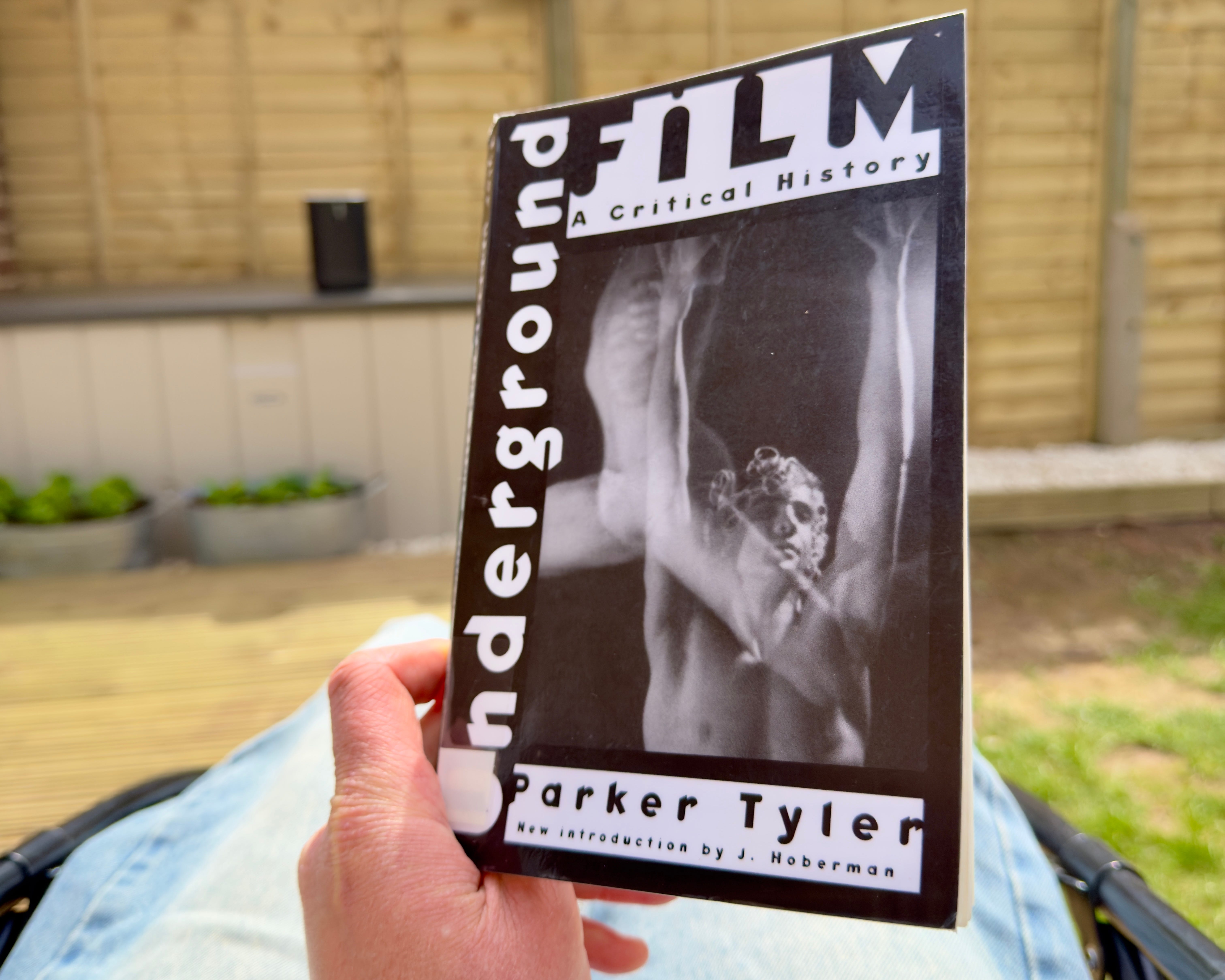
A product of the 20th century, the poet and film critic Parker Tyler (1904-1974) possessed that deeply regrettable critical artefact known as “nuance.”
He was embedded in the underground film scene of the 1960s - the world of Andy Warhol and Stan Brakhage - which in turn had evolved from the pre- and post-war avant-garde. So, it must have been with dismay that his buddies on the scene read this 253-page evisceration of the technical and artistic ambitions of many of the movement’s leading prospects.
This is a boggy, dense book - almost confrontationally hard to parse. If approached as a 101 guide to underground film, it’s unreadable. As a ferocious argument for why filmmakers and critics should maintain high standards, it remains fiercely relevant.

It was his passion for the avant-garde that made Tyler so willing to criticise it (remember what I said about nuance?) He believed that underground filmmaking was capable of producing great art. Many experimental filmmakers already had. But by the 1960s, the movement had abandoned its technical, intellectual, and aesthetic standards.